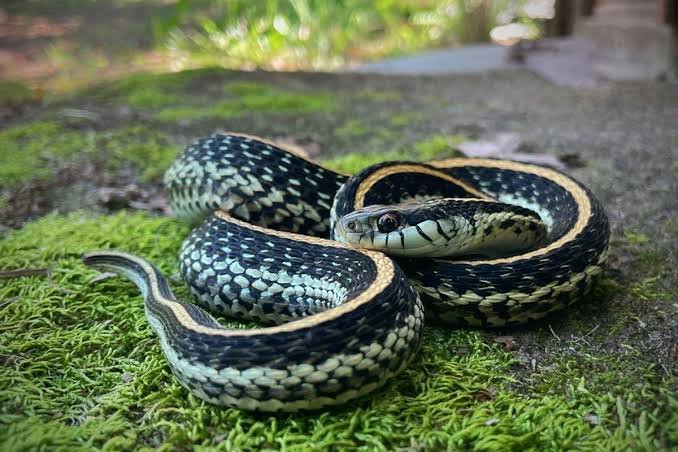
What Is a Montana Farmhouse Snake Infestation?
A Montana farmhouse snake infestation can cause fear and confusion. A snake inside a home is never a welcome sight. It can also make people wonder if more snakes are hiding nearby. In many cases, a snake infestation does not mean that a large number of snakes live inside the house. One or more snakes may enter because the building offers food, shelter, or a safe place to rest.
Snakes in Montana live in many natural areas. They can also move close to farms and rural homes. A Montana farmhouse often has barns, sheds, wood piles, grass, rocks, and open land nearby. These features can create good snake habitat. They can also support mice and other prey.
A snake problem often starts outside. It can become an indoor problem when snakes find easy snake entry points. Small openings around foundations, doors, crawl spaces, and utility lines can give snakes access. Finding and closing these routes is one of the main parts of snake prevention.
Why Do Farmhouse Snakes Enter Homes?
Farmhouse snakes usually enter buildings for a reason. They may be looking for food or shelter. They may also enter while moving from one outdoor area to another. A building can provide protection from weather and predators.
Food is a major factor. Many nonvenomous snakes eat rodents and other small animals. A farmhouse with a rodent infestation can offer a steady food supply. Grain storage, animal feed, barns, and sheds can attract mice. Those mice can then attract snakes.
Temperature can also affect snake activity. A cool building may provide shelter during hot weather. A protected space may also be useful when outdoor conditions change. This is why snakes around farmhouses can appear in different places at different times.
The building itself can create snake shelter. Loose boards, old equipment, stones, hay, and unused materials can provide hiding places. If these areas sit close to the farmhouse, snakes have an easy route from outdoor habitat to the building.
Snakes in Montana and Common Species
Understanding the local snake population can help property owners respond correctly. Montana has several native snake species. Most are nonvenomous. The prairie rattlesnake is the native venomous snake found in Montana.
Common snakes in Montana include garter snakes, bullsnakes, racers, rubber boas, and western hognose snakes. Their habitats and habits differ. Some are more likely to be seen in grass or open land. Others may use rocks, wood piles, or areas with rodents.
Nonvenomous snakes can be useful around a Montana property. Some eat mice and other small pests. For this reason, seeing one snake outdoors does not always mean that snake control is needed.
Rattlesnakes need more caution. A person should never try to catch, move, or kill an unknown snake. Safe snake handling means keeping a safe distance and avoiding direct contact. If the species is unclear, treat the snake as an animal that should not be approached.
Signs of Snake Activity Around a Farmhouse
Snake sightings are the clearest sign of activity. However, other clues can also help. Shed skins may appear under buildings, near walls, in storage areas, or around other snake hiding places.
Droppings can also provide a clue. A snake may leave waste near a place where it spends time. Tracks or movement marks may sometimes appear in dust or loose soil. These signs are easier to notice in areas that receive little foot traffic.
Repeated sightings deserve more attention than one sighting. If farmhouse snakes appear in the same location again and again, inspect that area. Look for shelter and food. Also check for an opening that may allow the animals to enter.
Watch for these patterns around the Montana farmhouse:
- Snakes seen near the same doorway.
- Shed skins near a foundation.
- Repeated activity around a barn.
- Rodent signs close to snake sightings.
- Snakes appearing near wood or rock piles.
- Activity around crawl spaces or basement openings.
A single clue does not prove a snake infestation. Several signs together provide a better reason for a property inspection.
Where Do Snakes Hide Around Farmhouses?
Snakes prefer quiet and protected places. They may hide under objects or inside spaces that people rarely inspect. This makes old farm buildings useful shelter.
Snakes under buildings can be difficult to see. They may use spaces beneath porches, decks, sheds, barns, or other structures. Snakes in barns may stay near hay, stored materials, feed areas, or rodent activity.
Snakes in crawl spaces can also go unnoticed. These areas are dark and often receive little human activity. Snakes in basements may stay near walls, storage areas, or openings that connect the basement to the outside.
Common snake hiding places include old lumber, wood piles, rock piles, thick vegetation, unused machinery, and cluttered storage spaces. Removing unnecessary shelter can reduce the number of places where snakes can remain hidden.
Do not put your hand into a dark hole to check for a snake. Use a flashlight from a safe distance. If the space is difficult to inspect, professional wildlife removal may be safer.
How Rodents Can Cause a Snake Problem
A rodent infestation can make a farmhouse more attractive to snakes. Mice and other small animals can provide food sources for snakes. This is common around farms because feed and grain can attract rodents.
Reducing rodent activity can therefore help reduce snake activity. Store animal feed in secure containers. Clean spilled grain quickly. Keep storage rooms organized. Remove materials that give mice places to hide.
This does not mean every snake will leave after rodents are controlled. Snakes can have other food sources. Still, reducing prey can make the property less attractive.
The connection works both ways. Some Montana snakes naturally eat rodents. Removing every harmless snake may not be useful for a farm. A better approach is to reduce unwanted indoor encounters while allowing native wildlife to remain in suitable outdoor habitat.
How to Find Snake Entry Points
Finding snake entry points is one of the most useful steps in prevention. Start outside the building. Walk around the entire foundation. Look closely at places where walls meet the ground.
Check for gaps and cracks around the foundation. Inspect areas around pipes and wires. Look under doors. Check windows and vents. Also inspect crawl space access points.
Door gaps can be easy routes into older buildings. A damaged door sweep can leave space at the bottom. A loose foundation section can also create an opening.
Pay attention to areas where different materials meet. Old wood may shrink or become damaged. Concrete can crack. Metal screens can become loose. Small openings can develop over time.
Do not seal every opening immediately if you suspect a snake is inside. First determine whether the space is occupied. Sealing a live animal inside a wall or crawl space can create another problem.
Snake Prevention for a Montana Farmhouse
Good snake prevention starts with the building and the surrounding property. The goal is to make entry difficult while reducing food and shelter near the home.
Snake-proofing a farmhouse does not require removing all wildlife from the property. It means limiting access to living areas. Repair damaged doors. Seal suitable gaps. Maintain screens and covers. Keep crawl space access points secure.
Outdoor property maintenance also matters. Move wood piles away from the main building when practical. Remove unused boards and debris. Keep grass and vegetation managed around frequently used entrances.
Removing snake attractants can also help. Store feed correctly. Clean spilled grain. Reduce rodent shelter. Keep storage areas organized.
These steps work better together. Closing one hole may not solve the problem if another opening remains nearby.
Snakes Around Farmhouses and Outdoor Habitat
Snakes around farmhouses are part of the wider rural ecosystem. A Montana property can contain fields, grass, rocks, trees, streams, barns, and other natural features. Each area can support different wildlife.
Snakes near rural homes may move through these areas while searching for food or shelter. Their presence outside does not automatically mean that they are trying to enter the house.
A snake population may also change with the season. Warm weather often brings more visible snake activity. People spend more time outdoors during these months too. This can make encounters seem more common.
Outdoor habitat should not always be treated as a problem. Some snakes help control rodents. Wildlife management works best when it separates harmless outdoor wildlife from animals creating a direct safety concern inside buildings.
What Should You Do During a Snake Sighting?
A snake sighting can be stressful. The safest first step is to create space. Keep children and pets away. Do not chase the animal.
If the snake is outside and moving away from the house, leaving it alone may be the easiest solution. Snakes usually prefer to avoid people. They may leave when given enough space.
An indoor snake requires more care. Keep people away from the room if possible. Close doors that can safely contain the animal. Do not try to grab it.
Snake removal can be handled by a qualified professional when the animal is difficult to reach or may be venomous. Humane snake removal is often preferable to killing a harmless animal.
If someone is bitten by a suspected venomous snake, seek emergency medical care immediately. Do not attempt to capture the snake for identification.
Humane Snake Removal and Wildlife Control
Snake removal should match the species and situation. A harmless snake outside may not need removal at all. A snake inside a living area presents a different problem.
Professional wildlife removal can help when repeated sightings occur. A professional can inspect the building and look for entry routes. They can also identify conditions that may attract snakes.
Wildlife control should focus on the source of the problem. Removing one snake does not close an opening. It also does not remove rodents or outdoor shelter.
A useful inspection should cover the farmhouse, barn, sheds, crawl spaces, storage areas, and nearby ground. The goal is to understand how snakes are using the Montana property.
Safe removal also reduces the chance of an unnecessary confrontation. This matters most when a snake may be a rattlesnake.
Snakes in Barns, Basements, and Crawl Spaces
Different parts of a farmhouse can create different conditions for snakes. A barn may provide food because rodents are attracted to grain and animal feed. It may also contain many hiding places.
Basements can provide stable temperatures and quiet corners. Snakes in basements may enter through foundation openings, windows, doors, or utility gaps.
Crawl spaces can be even harder to inspect. Snakes in crawl spaces may remain hidden for long periods. A homeowner may only notice a problem after seeing a snake leave the area.
If you find repeated activity in one building, inspect the surrounding structure. Look for food sources and access routes. Check the exterior before entering a difficult or dark area.
Preventing Future Snake Infestations
Preventing future infestations requires regular attention. A single inspection may reveal a problem, but buildings change over time. New gaps can appear. Doors can become damaged. Vegetation can grow close to walls.
Perform a property inspection at regular intervals. Check the foundation after severe weather. Inspect doors and windows. Look at crawl space access. Check barns and sheds.
Keep the farmhouse property clean without removing useful wildlife habitat from the wider area. Store materials neatly. Keep wood and debris away from important entrances. Control rodent food sources.
Sealing entry points is one of the strongest parts of a long-term plan. Physical barriers can stop snakes from entering areas where repellents may have little effect.
A Simple Long-Term Snake Control Plan
Snake control should focus on prevention rather than fear. Start with identification. Find out what kind of snake is present when this can be done safely. Then inspect the location where the snake was found.
Next, look for food and shelter. Check for rodents. Check for clutter. Look at wood piles and vegetation. Inspect barns and storage areas.
After that, repair the building. Close suitable foundation openings. Fix door gaps. Maintain screens. Secure crawl space access. Keep storage areas clean.
Finally, monitor the property. Record repeated snake sightings. Note where they occur. This information can reveal a pattern.
A farmhouse does not need to be completely free of snakes to be safe. The goal is to prevent unwanted snakes from entering living spaces and other high-use areas.
Conclusion
A Montana farmhouse snake infestation can look frightening, but the cause is often simple. Snakes need food, shelter, and safe places to move. Farm properties can provide all three.
The best response starts with careful observation. Look for snake sightings, shed skins, rodent activity, hiding places, and possible entry routes. Check barns, basements, crawl spaces, foundations, and areas around doors.
Snake prevention becomes easier when the property is maintained. Reduce rodent food sources. Remove unnecessary clutter. Manage vegetation close to buildings. Repair gaps and cracks. Keep crawl spaces and storage areas secure.
Remember that Montana snakes are part of the local wildlife population. Many are nonvenomous and useful for controlling rodents. The goal of snake control is not to remove every snake from the landscape. It is to reduce unwanted encounters and keep snakes out of places where people and pets live.
With regular property inspection, safe snake handling, proper exclusion, and sensible wildlife management, a Montana farmhouse can remain a comfortable place for people while still allowing native wildlife to exist outdoors.
Frequently Asked Questions
Why are snakes entering my Montana farmhouse?
Snakes may enter because they find food, shelter, or a safe route through gaps in the building. Rodents can also attract snakes because they provide a food source.
Are all Montana snakes dangerous?
No. Most snakes in Montana are nonvenomous. The prairie rattlesnake is the native venomous snake in the state. An unknown snake should still be left alone until it can be identified safely.
Can a rodent infestation attract farmhouse snakes?
Yes. Rodents can provide food for several snake species. Reducing rodent activity can help make a farmhouse less attractive to snakes.
How can I keep snakes out of my farmhouse?
Inspect the foundation, doors, windows, vents, utility openings, and crawl spaces. Seal suitable gaps and remove unnecessary shelter close to the building. Good property maintenance also helps.
Should I remove a snake from my property?
Not always. A harmless snake outdoors may provide natural rodent control. A snake inside the home or a suspected venomous snake requires more caution. Keep people and pets away and seek professional help when needed.